Common conditions that osteopathy can help with

Below are some of the most common issues that patients who come to the clinic experience. If you are unsure as to whether we may be able to help, our friendly receptionists can check with our osteopaths, or even arrange for them to call you if necessary.

You can book for both the Folkestone and Tonbridge clinics by visiting our online booking system.

Please note that you will need to select the correct location, then you will be able to find the osteopath and appointment to best suit you.

If you would prefer to contact us direct by telephone, you can call our friendly receptionists on 01303 248 728.

  • Arthritis

    Arthritis conditions include rheumatoid, psoriatic or osteoarthritis, and symptoms can include joint pain, tenderness and stiffness. The most common one is osteoarthritis and is often aggravated by repetitive strains and bio mechnical imbalance.

  • Neck Pain

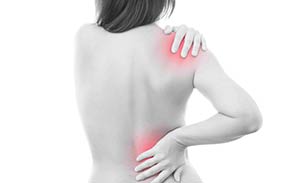
    This can include short and long term pain and stiffness, or difficulty in movement. Neck pain is often brought on by long standing restrictions lower down in the body.

  • Trapped Nerve

    A trapped (or ‘pinched’) nerve can lead to numbness, tingling or pain in the affected area, and occurs when too much pressure is applied to it by the surrounding muscles, bones, cartilage or tendons. This term is often used by patients to describe acute inflammation, spinal facets and the rib cage.

  • Back Pain

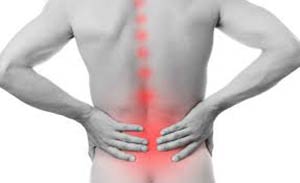
    Common back issues include generalised aches and pains, acute or chronic back pain, joint pain and rheumatic pain.

    This can be caused by a number of issues, such as muscle injury or strain, herniated discs or scoliotic patterns.

  • Headaches

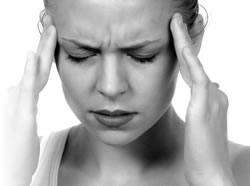
    Patients may be suffering from migraines, tension headaches or positional headaches. Osteopathy offers effective techniques that can help, such as cranial osteopathy, more information on which can be found under ‘what is osteopathy’.

  • Sciatica

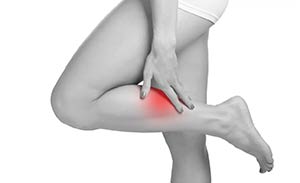
    The sciatic nerve runs from the lower back, through the buttock, down to the feet, and when it is irritated or compressed, it can cause sciatica. People describe the pain as being similar to an electric shock or burning down either or both legs.

  • Tendonitis

    Any tendon in the body can become inflamed, causing swelling, pain and discomfort. It is often caused by a mixture of bio mechanical imbalance and repetitive strain.

  • Issues with posture

    If you spend a lot of time sitting at a disk, this can cause issues with your posture.

    The most common postural adaptation is the scoliotic pattern with no bone deformity, which osteopathy can help with. You can also have true scoliosis, where the skeleton changes shape. This condition is more severe and chronic.

  • Sports Injuries such as ankle sprains and rotator cuff strains

    Our osteopaths treat a variety of patients with differing sports injuries/issues. This could include sustaining a fall during training, poor training practices leading to strains or pain, or discomfort following gym sessions.

    They also can recommend stretches and exercises, as well as offering advice on the appropriate training gear to use for whichever exercise you are pursuing.

    Very often, sports injuries are caused by a chronic tightness and rigidity of the affected tissue, prior to the actual injury, which weakens the area.

    They can also help with maintenance and training for those with sporting objectives..

  • Repetitive Strain and Overuse Injuries

    This type of injury or strain is caused by the repeated use of part of your body, such as your forearm, wrist, hand, or shoulder.

    Patients who may be working at a desk for long periods of the day could suffer repetitive strain injuries.

  • Pregnancy-related Discomfort

    There are many benefits to having osteopathic treatment during pregnancy, which can help with back, neck and shoulder pain and muscular tension, as a result of the extra strain being put on the spine.

    Osteopathy can be especially beneficial from 16 weeks onwards, when the body has to change its posture to adapt to the pregnancy, and in the last trimester, when you are preparing for the birthing process.